July 1, 2024
Year
2024-25
TEAM
Individual/group
Category
college
Product Duration
2-3 weeks
After gathering reference material, I translated the natural form of the macaw into initial sketches to simplify its design. The goal was to capture the most important and recognizable features while ensuring the model would be feasible for handcrafting. The initial concept focused on an elegant yet simplified version of the bird’s body, balancing the need for accuracy with ease of production.

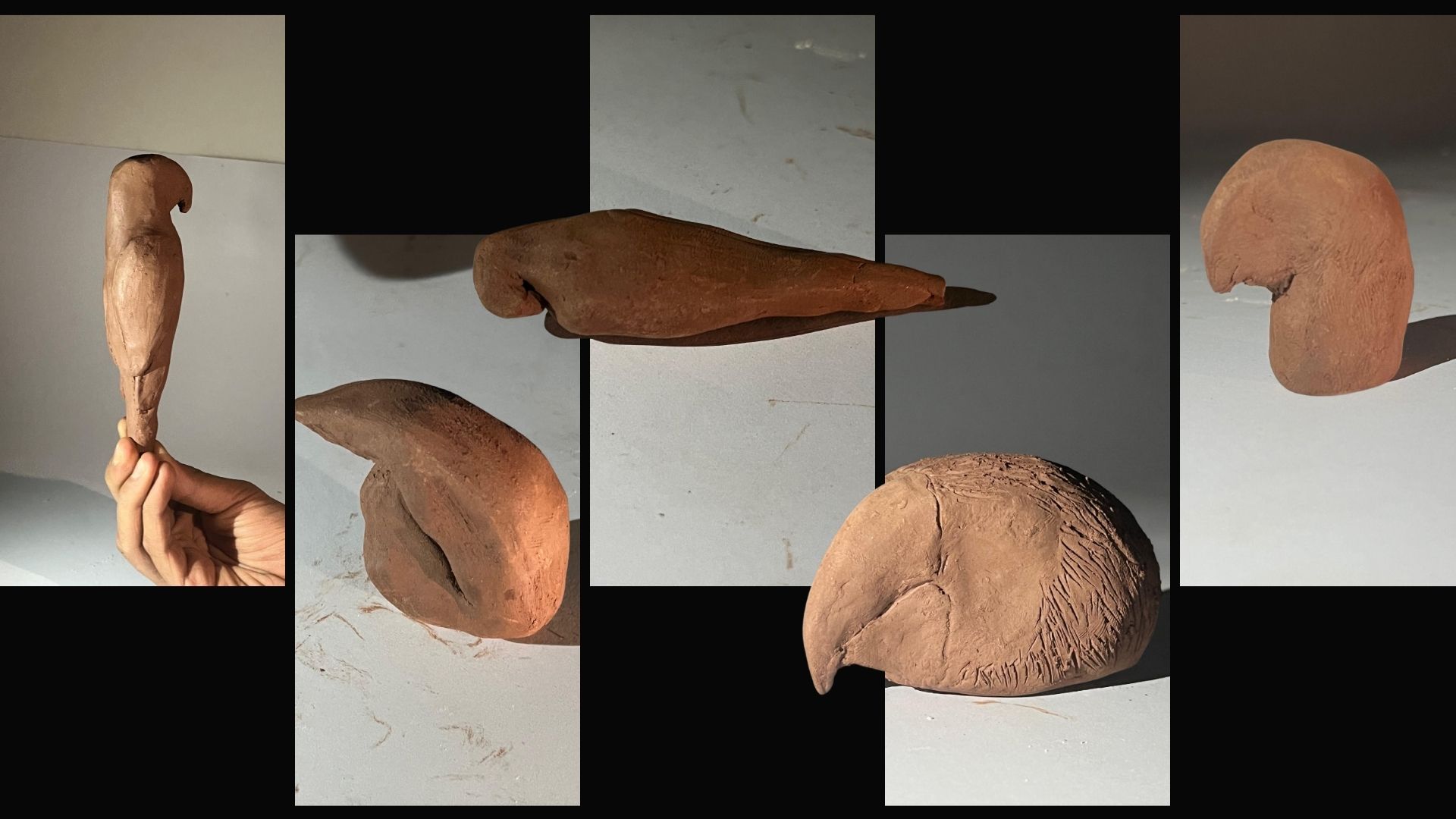
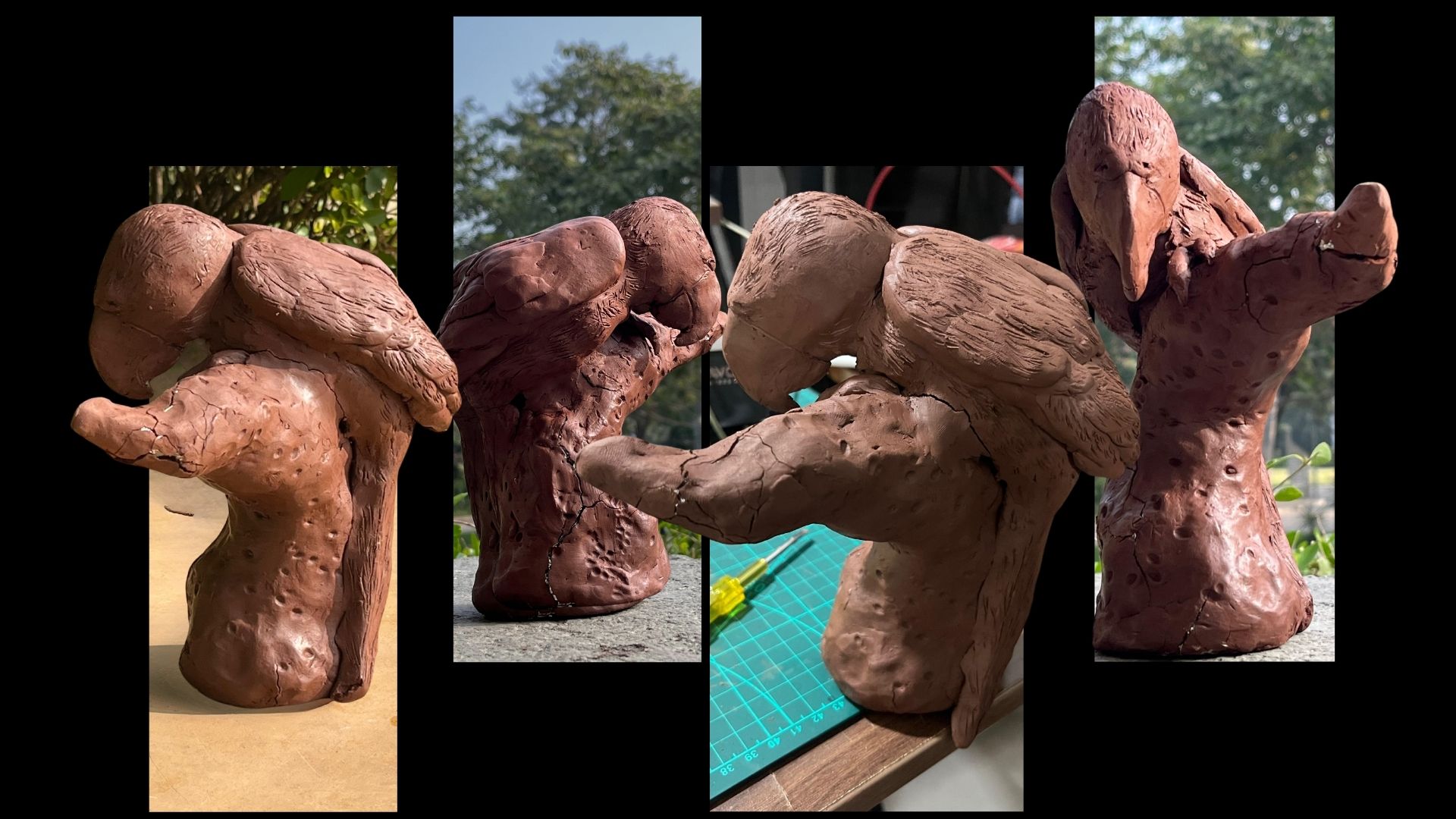
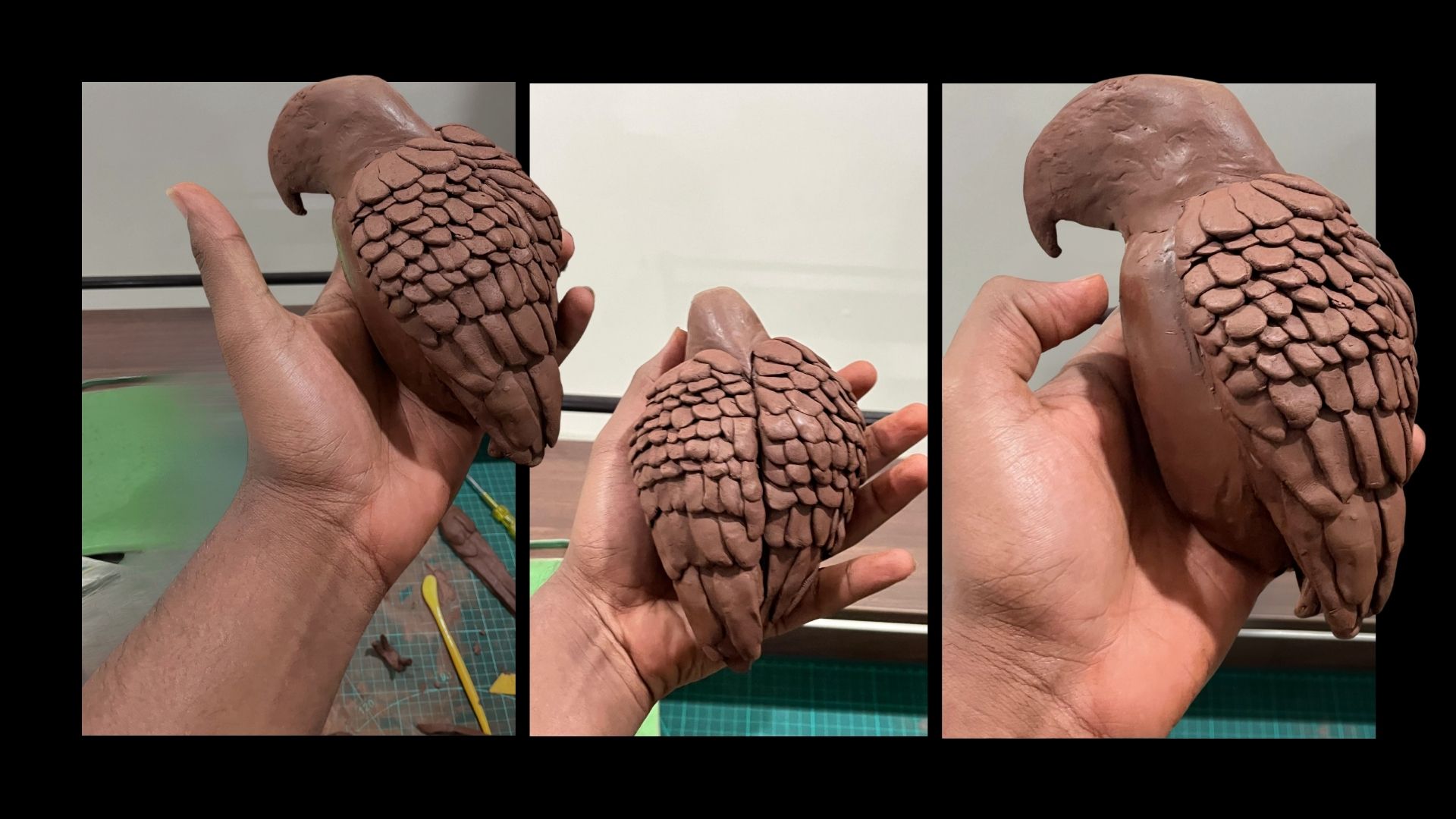
I created a series of clay models to explore the macaw's form and structure in three dimensions. The first iteration was a more complex and detailed version, allowing me to test the shape and proportions. However, I soon realized it was too intricate for the intended casting process. For the second iteration, I simplified the design, focusing on key details while ensuring the model was easy to handle and refine. The third and final clay model was a more refined, simplified version of the macaw’s body, which would serve as the basis for the silicone mold.
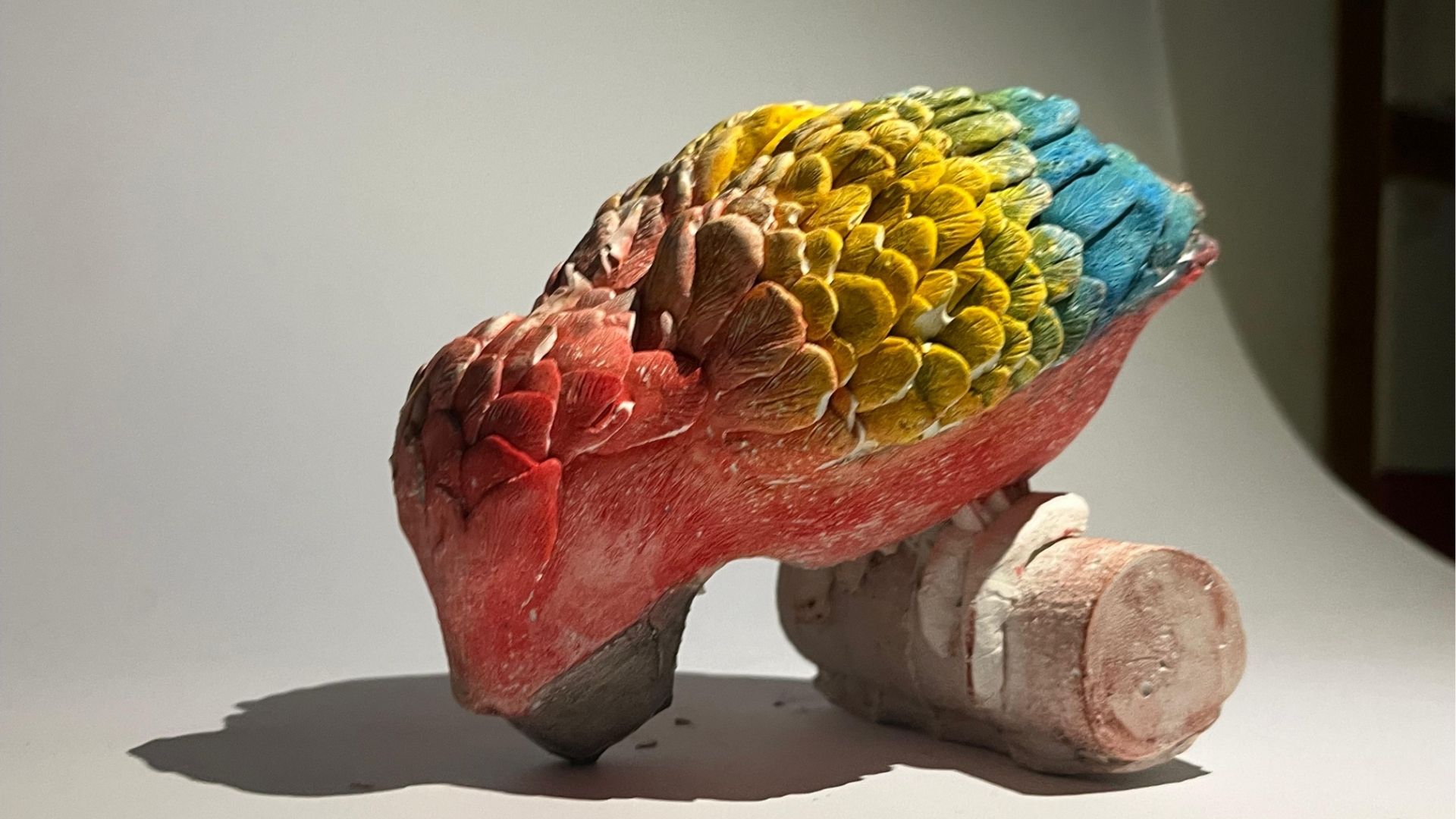
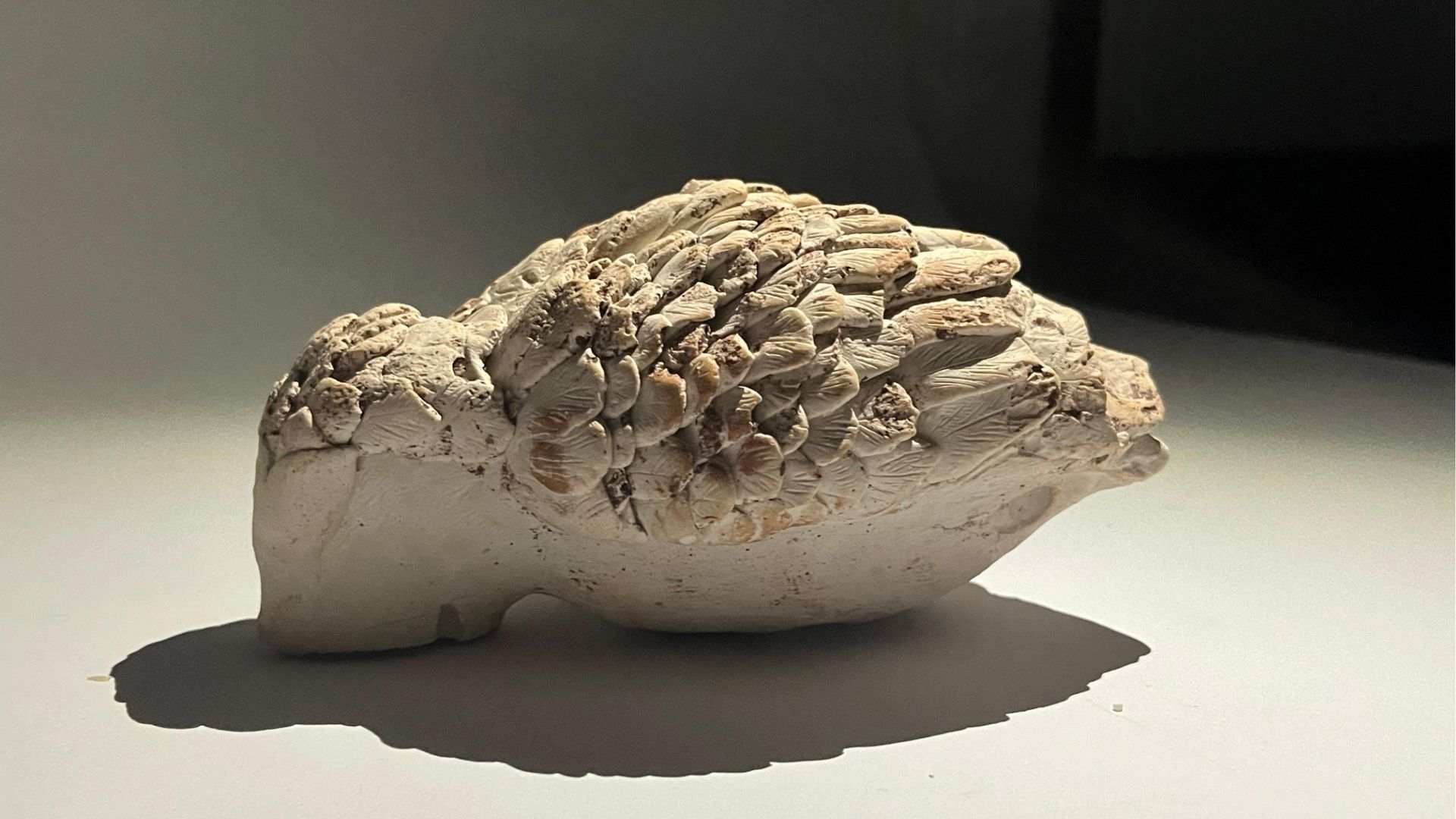
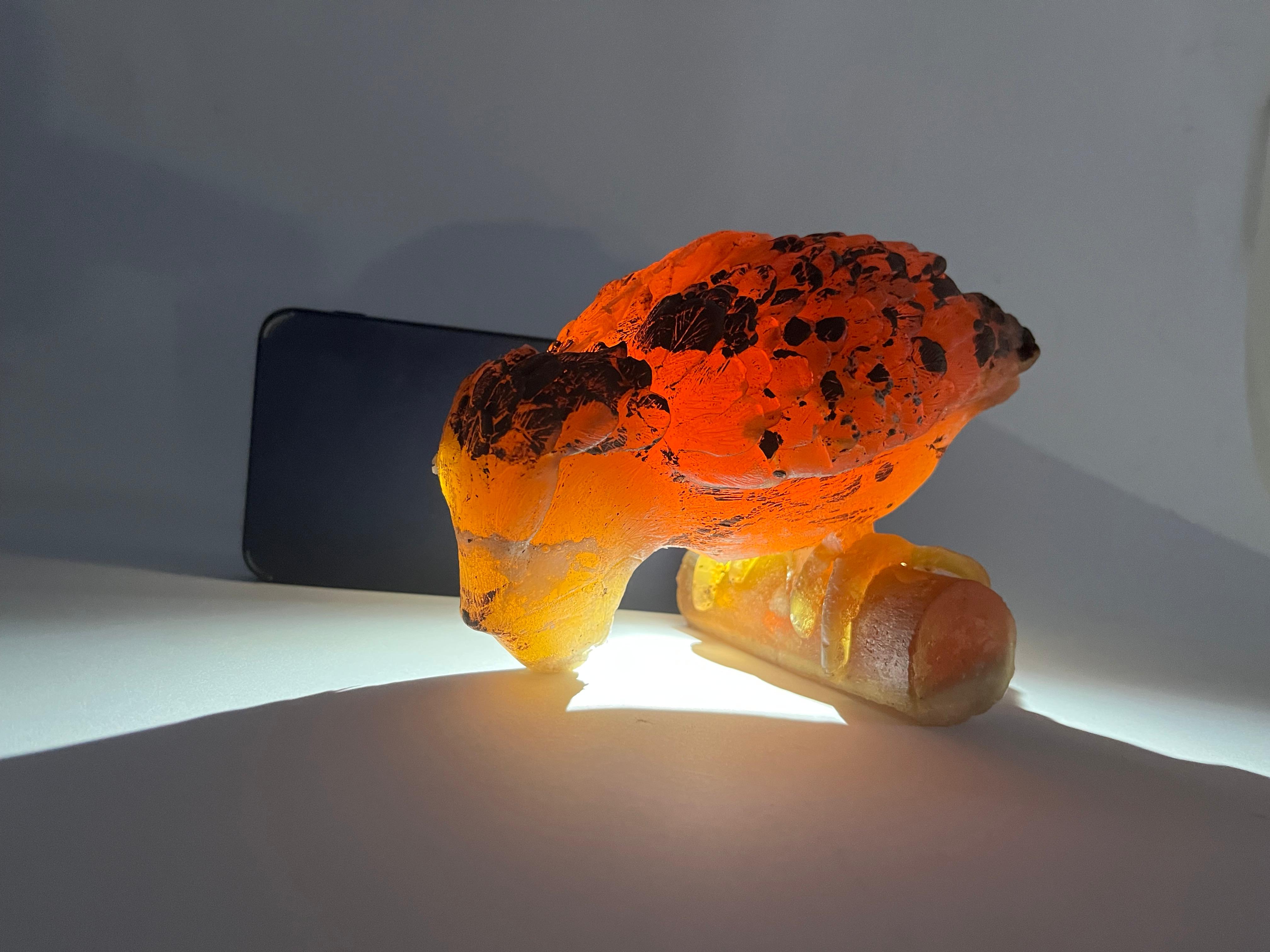
Once the final clay model was complete, I used it to create silicone molds. The mold-making process involved carefully applying silicone over the refined clay model to capture all surface details. After the silicone set, I created molds using plaster, dentist plaster, and soap to ensure the mold was both durable and able to produce multiple casts. Each mold material was chosen to achieve specific characteristics, such as flexibility, precision, and ease of demolding.
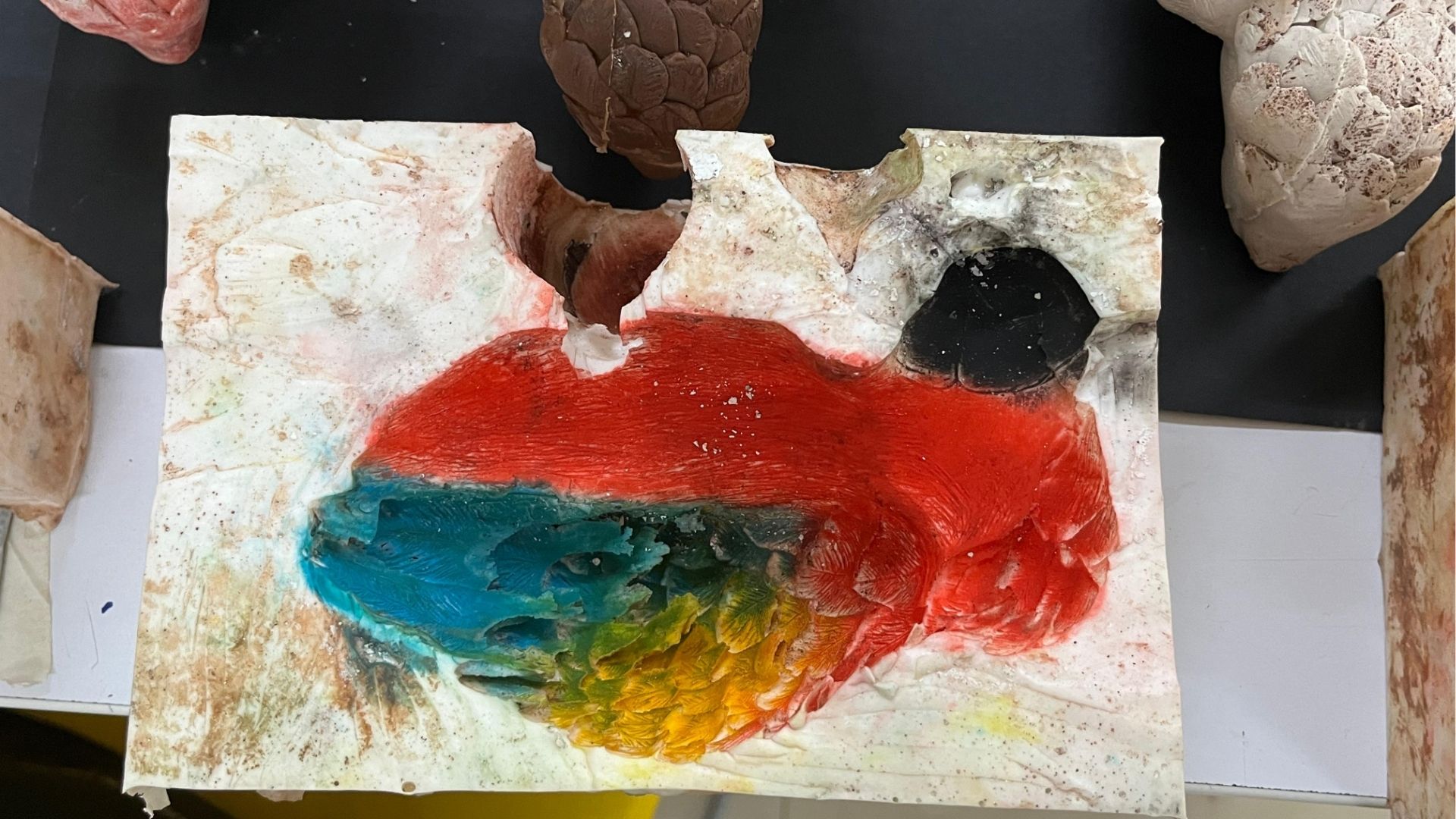
The final molds allowed me to produce multiple castings of the macaw model in different materials. This project provided valuable insights into sculpting, casting, and working with silicone and other mold-making materials. It was an excellent opportunity to refine my skills in material science and model-making, which I can apply to future product design and prototyping projects.